The gift categories most likely to cause late-buy regret are those where time affects the quality of the choice-not merely the arrival date. Personalised keepsakes need accurate details, gadgets need compatibility checks, collectables need duplicate control, games need the right group, and seasonal gifts need to be useful before their moment passes.
This is a directional buying guide, not a ranking based on proprietary LatestBuy sales, returns or survey data. It uses a practical risk framework to show where rushing reduces personal meaning, usefulness or recipient fit-and where an adjacent gift is smarter than another version of something they already own.
How this guide identifies timing-sensitive gift categories
"Regret" can mean several things. The gift might feel generic because there was no time to personalise it. It may duplicate something the recipient owns, require an accessory you did not know about, or arrive after the picnic, party or hobby weekend that gave it a purpose.
Rather than pretending there is a universal league table of regrettable gifts, this guide assesses categories against five stable decision factors. A category becomes more timing-sensitive when two or more factors apply and rushing can materially weaken the result.
| Decision factor | Details |
|---|---|
| Personalisation time |
The useful question: Do you need names, dates, photos or a shared story? Why lateness matters: Haste increases the risk of mistakes or a generic substitute |
| Comparison effort |
The useful question: Are size, format, features or recipient preferences important? Why lateness matters: Reduced research time encourages "close enough" choices |
| Compatibility and setup |
The useful question: Must it work with another device, space or hobby system? Why lateness matters: A good idea can become unusable without the right fit |
| Occasion pressure |
The useful question: Does it need to be used at a party, trip or seasonal event? Why lateness matters: The gift loses part of its value once the use date passes |
| Choice sensitivity |
The useful question: Are duplicates, exact themes or editions a concern? Why lateness matters: A shrinking shortlist can push buyers towards the wrong version |
The timing advice below is therefore trigger-based rather than tied to a fixed number of days. Production methods, availability and delivery conditions vary, so check current product details before relying on a deadline. The durable rule is simpler: start when you know the recipient, occasion and required details-not when the calendar begins making threatening noises.
The quick timing map for higher-regret gift categories
The categories below are not automatically bad late purchases. They simply contain more decisions that cannot be solved by clicking faster. Use this map to spot the risk before browsing the wider LatestBuy gift guide.
| Gift category | Details |
|---|---|
| Personalised keepsakes |
What buying late can remove: Accuracy, design choice and emotional specificity Start deciding when: You have the correct names, dates, images or wording Smarter replacement logic: If they own the standard keepsake, choose a way to preserve, display or use the memory |
| Nostalgic and memory-led gifts |
What buying late can remove: Time to confirm the reference actually matters Start deciding when: You can identify the era, object or shared story Smarter replacement logic: Replace generic retro styling with a tool connected to their real archive |
| Gadgets and electronics |
What buying late can remove: Compatibility checks, comparison and setup planning Start deciding when: You know the device, task or annoyance being solved Smarter replacement logic: If they own the basic gadget, choose an adjacent helper rather than a duplicate |
| Hobby and collectable gifts |
What buying late can remove: Duplicate checks, exact-theme fit and display planning Start deciding when: You know their collection lane or current project Smarter replacement logic: Choose care, display or hobby-support gear when the exact item is uncertain |
| Games and activity gifts |
What buying late can remove: Group fit, age suitability and occasion relevance Start deciding when: You know who will play and when Smarter replacement logic: If they own familiar staples, choose a new play format or useful game-night support |
| Seasonal, travel and outdoor gifts |
What buying late can remove: The chance to use the gift at the intended moment Start deciding when: A trip, event or weather-related use is confirmed Smarter replacement logic: Choose an evergreen practical helper if the original use date has passed |
| Everyday practical upgrades |
What buying late can remove: Time to notice which inconvenience deserves fixing Start deciding when: You have observed a repeated frustration Smarter replacement logic: Upgrade the weak point, not the entire setup |
Notice what is missing: a generic shortlist of supposedly safe presents. The deciding issue is not whether a category is popular. It is whether lateness changes the gift from considered to compromised.
Personal and nostalgic gifts lose meaning when rushed

Personalised gifts carry two kinds of timing risk. The obvious one is production: names, dates, photographs and custom wording must be supplied correctly. The quieter risk is judgement. Under pressure, buyers may choose a dramatic sentimental message when the relationship calls for something warmer and lighter-or use a photo that the recipient would rather not see enlarged for all eternity.
Nostalgic gifts have a similar trap. "They like old things" is not enough. A person who treasures family recordings, retro games or childhood kitchenware has a specific connection, not a general membership in the Past Appreciation Society.
A stronger decision path is to identify what they actually do with the memory:
- They display it: consider a keepsake or display-related gift, after checking available space.
- They revisit it: choose something that helps them play, view or organise their archive.
- They preserve it: look for practical tools that help protect or convert older material.
- They tell stories about it: choose an object connected to a known anecdote, not merely the decade.
For example, a cassette-to-MP3 converter is more personal than a vaguely retro ornament when the recipient genuinely has old tapes they want to revisit. It is a category-adjacent gift: not another cassette player, but a way to make an existing collection more usable. Compatibility and willingness to complete the conversion still matter, so it suits an active memory-preserver better than someone who simply enjoys retro décor.
If they already own the basic frame, album or nostalgia-themed object, choose a preservation or display helper instead. Skip deeply personal keepsakes when the relationship is new, the memory may be sensitive, or you are guessing at dates and details. Sentiment is not improved by administrative roulette.
Tech, hobby and collectable gifts punish guesswork
Gadgets are classic late-buy troublemakers because the obvious category is rarely the full decision. A charging accessory may require the right connector. A desk device needs space and a useful purpose. A hobby tool may suit one type of project but not another. Even a clever object can become drawer cargo if it solves a problem the recipient does not have.
Before browsing electronics and gadgets, identify the task first: better lighting, easier organisation, portable comfort, hobby precision or entertainment. That shifts the decision from "Which gadget looks impressive?" to "Which recurring annoyance can this remove?"
The same logic applies to hobby and collectable gifts. Exact items can be highly personal, but they also introduce duplicate, edition, scale and display-footprint risk. If you cannot confirm the recipient's preferred theme or current collection lane, an adjacent support gift is often safer than a speculative centrepiece.
Use this compact buyer-confidence check:
| Gift path | Details |
|---|---|
| Direct gadget replacement |
Who it suits: Someone who has complained about a failing device Who should skip it: A recipient satisfied with their current setup Setup or compatibility risk: High unless the model, connector and use are known If they already own the basic item: Choose a task-specific accessory or portable helper |
| Adjacent practical gadget |
Who it suits: Someone with a visible routine or recurring inconvenience Who should skip it: Someone who dislikes extra devices or maintenance Setup or compatibility risk: Usually low to medium, but power and dimensions still matter If they already own the basic item: Improve lighting, storage, comfort or precision |
| Hobby tool |
Who it suits: An active maker with a known project type Who should skip it: A casual admirer who does not actually practise the hobby Setup or compatibility risk: Medium; fit depends on materials and working method If they already own the basic item: Choose a specialised aid rather than another starter tool |
| Exact collectable |
Who it suits: A recipient with a confirmed wishlist or collection lane Who should skip it: Anyone whose preferences are inferred from one old comment Setup or compatibility risk: High duplicate and display risk If they already own the basic item: Choose display, care or organisation support |
| Decorative novelty |
Who it suits: Someone who enjoys visible conversation pieces Who should skip it: A minimalist or person short on shelf space Setup or compatibility risk: Low technical risk, higher taste risk If they already own the basic item: Pick something useful within the same theme |
A practical example is a tiltable LED headband magnifier for someone who already owns basic hobby tools but needs better close-up visibility while working. The value is not "another gadget"; it is an adjacent improvement to a known activity. That is the replacement-logic sweet spot: personal enough to show attention, useful enough to earn its storage space.
Games and activity gifts are best before the occasion

Games can be bought at many points in the year, but their highest timing risk appears when they are intended for a particular gathering. A game chosen after the family weekend, housewarming or holiday get-together may still be enjoyable, yet it has missed the moment that made it especially relevant.
The rushed mistake is choosing by box theme alone. A better game-night decision accounts for:
- likely player count;
- children, adults or a mixed-age group;
- appetite for quick rounds versus longer sessions;
- cooperative or competitive preferences;
- reading, strategy and rule-learning tolerance;
- whether cheeky or adult humour is appropriate;
- portability if the game is travelling.
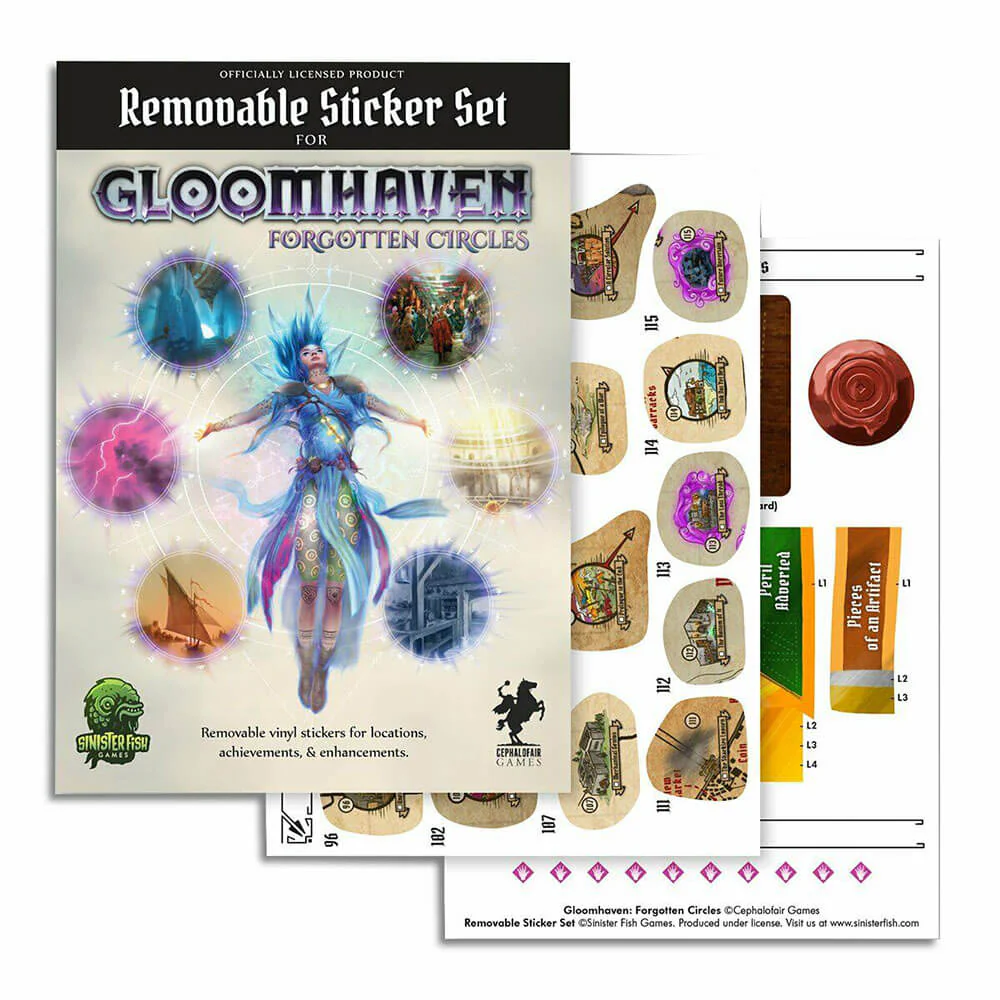
Browsing Family Games works best once those filters are clear. If the household already owns the usual card decks and board-game staples, choose an adjacent format: a compact social game, a cooperative challenge, a puzzle-led activity or something suited to a different group size.
Who should skip this route? Avoid activity gifts when nobody has the time or interest to organise play, or when the gift relies on a gathering that is not actually happening. A game should create an easy reason to gather, not become a cardboard obligation with rules.
Recipient fit, occasion pressure and budget comfort should set the path
Late buying often produces the wrong budget behaviour. Some people overspend because a higher price feels like compensation for reduced thought. Others grab several small items that share no purpose, creating a gift bundle with all the narrative coherence of a kitchen junk drawer.
Budget comfort matters, but specificity matters more. A modest gift tied to a real routine can feel more considered than an ambitious category guess. The under-$30 gift collection can be useful when you apply a recipient clue before comparing options.
| Recipient clue | Details |
|---|---|
| They regularly mention a small annoyance |
Stronger gift path: Practical gadget or home-use helper Avoid when rushed: Replacing an entire setup without specifications Useful adjacent upgrade: Fix the most obvious friction point |
| They organise social nights |
Stronger gift path: Game or activity gift Avoid when rushed: Risqué humour without knowing the audience Useful adjacent upgrade: Choose a format suited to their usual group |
| They preserve family or personal history |
Stronger gift path: Memory-use or nostalgia tool Avoid when rushed: Generic retro décor with no personal reference Useful adjacent upgrade: Help them access, organise or display what they own |
| They collect around a precise theme |
Stronger gift path: Wishlist-confirmed collectable or display support Avoid when rushed: Guessing the character, edition or scale Useful adjacent upgrade: Choose care, shelf or organisation support |
| They are hard to read |
Stronger gift path: Low-risk practical or playful category Avoid when rushed: Highly personal, size-dependent or technical gifts Useful adjacent upgrade: Use one known habit as the deciding clue |
Occasion pressure changes the safest choice too. A public workplace exchange calls for broader humour boundaries than a private birthday. A milestone can support more sentiment, provided the details are accurate. A travel gift needs to suit the actual trip rather than an imaginary rugged expedition involving three backpacks and a heroic amount of canvas.
If you are still unsure, use gift discovery by recipient and occasion to narrow the field before comparing products. Recipient fit should come before category excitement; otherwise the most entertaining browse path can lead straight into somebody else's cupboard.
Safe fallbacks when the calendar has already won

Once time is tight, do not attempt a rushed imitation of the original plan. A badly guessed custom gift does not become thoughtful through optimism. Move to a safe fallback path whose quality does not depend on personalisation, complex setup or an exact edition.
A lower-risk late choice usually has five green lights:
- One clear use case: you can explain when the recipient would use it.
- Low compatibility risk: it does not rely on an unknown device, size or system.
- Appropriate tone: the humour and sentiment suit the relationship and setting.
- Manageable footprint: it will not create an unexpected storage or display problem.
- No obvious duplication: it complements what they own rather than repeating it.
Strong fallback categories include a small practical upgrade tied to an observed routine, a game for a known group, a playful object with a genuine use, or a hobby helper that does not require specialist specifications. If the recipient owns the basic gadget, choose the accessory that improves how they use it. If they own the obvious collectable, choose display or care support. If they have the standard game-night kit, choose a new activity format rather than a shinier duplicate.
A top-selling gift browse path can help you compare familiar categories when your shortlist has collapsed, but popularity is not proof of fit. Keep applying the five green lights. The aim is not to find an item that many people might like; it is to find one this recipient can use, enjoy or recognise as thoughtfully chosen.
Frequently asked questions about buying gifts late
How early should I start buying a gift?
Start as soon as the choice depends on information you already have: names and dates for personalisation, specifications for electronics, a wishlist for collectables, or a confirmed use date for travel and seasonal gifts. There is no universal timeframe because production and fulfilment conditions vary. Check current product details and work backwards from the occasion.
What types of gifts are safer when time is short?
Look for non-personalised gifts with a clear use case, low setup requirements, no sizing and little duplicate risk. Practical routine upgrades, appropriately chosen games and light novelty with a purpose are generally easier to assess quickly than custom keepsakes, exact collectables or technical replacements.
Should I buy another gadget if the recipient already owns the basics?
Usually, an adjacent helper is the more personal choice. Identify how they use the existing gadget and what still causes friction. Better lighting, portability, organisation, comfort or hobby precision may add more value than replacing a device that already works. Confirm any connector, power or dimension requirements before choosing.
How can I avoid buying a duplicate collectable?
Ask for a wishlist, check recent shelf photos, consult someone familiar with the collection or confirm the exact theme and edition. If that is not possible, move sideways into display, storage, care or organisation. These paths still acknowledge the hobby without gambling on an exact item.
Turn the deadline into a decision, not a panic scroll
Before browsing, name the risk: personalisation, compatibility, duplication, setup, occasion timing or budget comfort. Then ask whether the recipient already owns the basic version. If they do, choose the useful adjacent gift-the helper, upgrade, activity or display solution that makes an existing interest better.
That small shift turns late buying from "What can I still get?" into "What will genuinely fit?" Follow the category that solves the clearest recipient problem, compare its trade-offs, and choose with one concrete use case in mind. That is a much better browse-path CTA than hoping the loudest gadget on the page has excellent social skills.
For the next browse step, compare the fit against electronics and gadgets and Family Games.